









Electric Vehicle Ownership
Everything you need to know about Electric Vehicles
Explore the world of electric vehicles with Ebbett, where you can choose from 18 leading EV brands under our group. We provide a comprehensive guide covering everything you need to know about electric vehicle ownership, from model options to charging solutions, sustainability benefits, and servicing details.
Whether you're considering your first EV or looking to upgrade, the below will help you make informed decisions every step of the way.
Understanding the Difference Between EV & PHEV
EV - Fully Electric Powertrain
A fully electric vehicle (EV) is powered solely by electricity, eliminating the need for fossil fuels and emitting no harmful gases. With fewer components, electric motors are simpler and provide rapid acceleration, making EVs exciting to drive.
They can be recharged quickly using DC fast chargers or more slowly with AC chargers at home or in public, which helps extend the battery’s lifespan. EVs offer a cleaner, efficient alternative to traditional internal combustion engine vehicles.
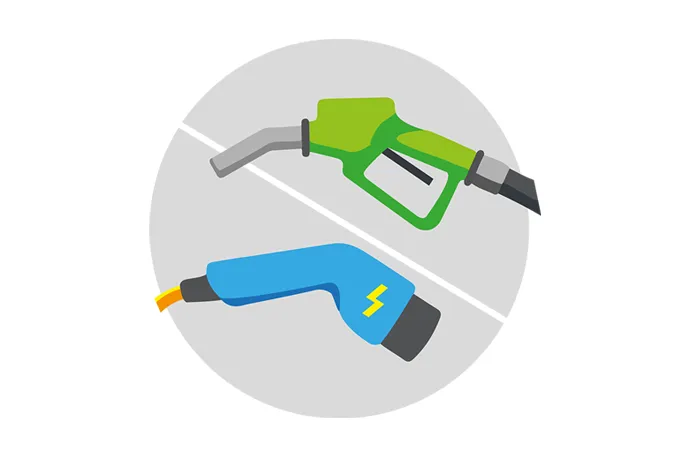
PHEV - Plug-in Hybrid Powertrain
A Plug-in Hybrid Electric Vehicle (PHEV) combines a battery-powered motor with a traditional engine, offering flexibility. The battery can be recharged via a charging station, and it is also maintained by the vehicle through systems like the engine and regenerative braking.
When the battery is low, the vehicle switches to using the engine, like a conventional hybrid, while continuing to recover energy through regenerative braking. PHEVs reduce emissions and are ideal for those seeking lower environmental impact without fully committing to an all-electric vehicle.
Performance of Electric Vehicles
Electric vehicles deliver power instantly, thanks to what’s known as “instant torque.” Unlike traditional petrol or diesel cars, EVs don't require fuel or a standard transmission.
The energy generated by the motor is sent directly to the wheels, allowing for immediate power and swift acceleration.
Range, Charging & Running Costs
Charging your EV or PHEV is simple, whether at home, work, or on the road. In this section, we’ll guide you through the various charger types, explain the differences between home and public charging, and cover additional running costs like Road User Charges and maintenance.
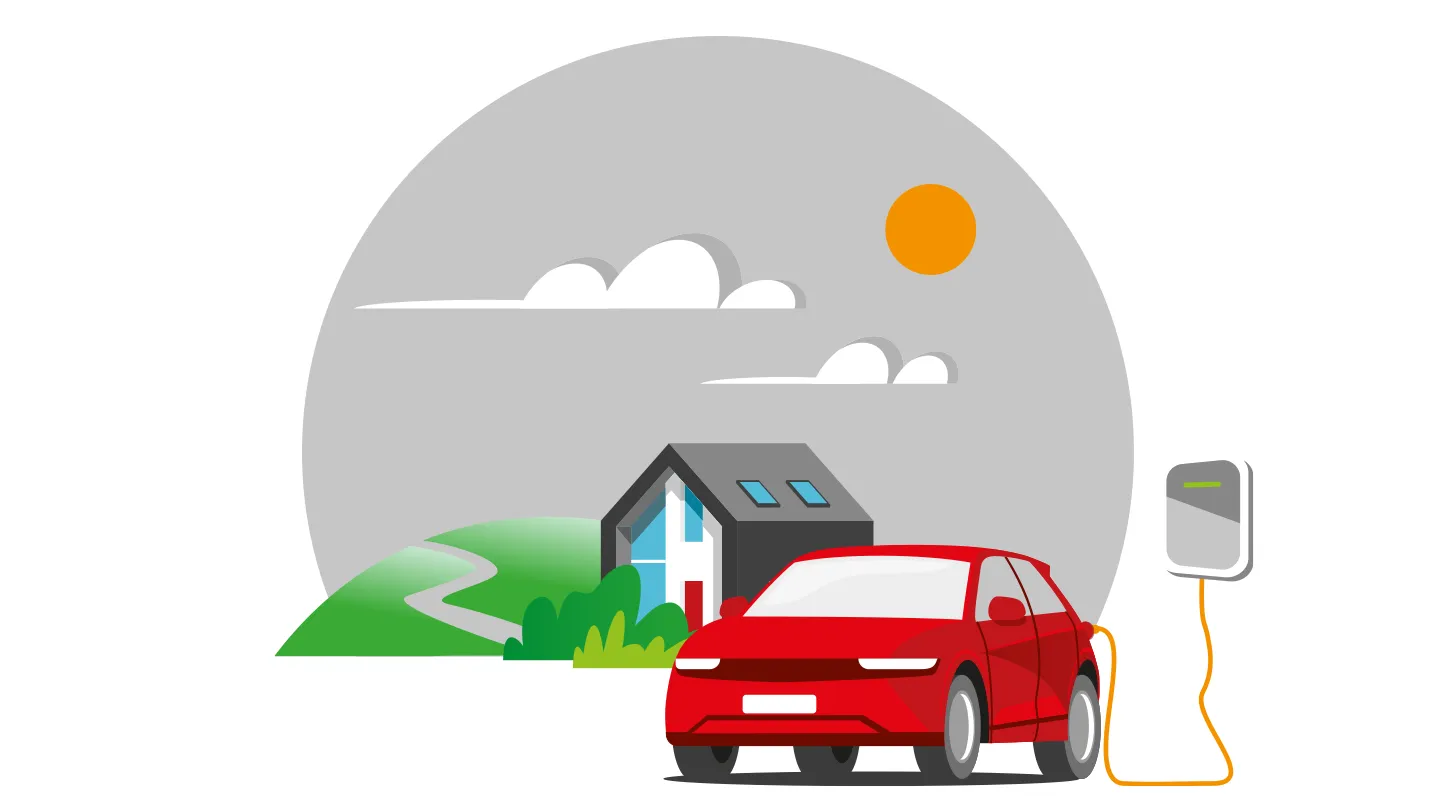
AC Chargers
AC (Alternating Current) chargers are the most common type found at homes and public spaces like workplaces and malls. Since EV batteries store energy as Direct Current (DC), the vehicle's onboard charger converts AC to DC during charging, which takes more time, making AC chargers slower than DC ones.
Home AC chargers typically provide lower power output, ideal for overnight charging. Public AC chargers offer more power but are still slower than DC chargers, making them suitable for regular use without stressing the battery through rapid charging. These chargers are often free or low cost.
DC Chargers
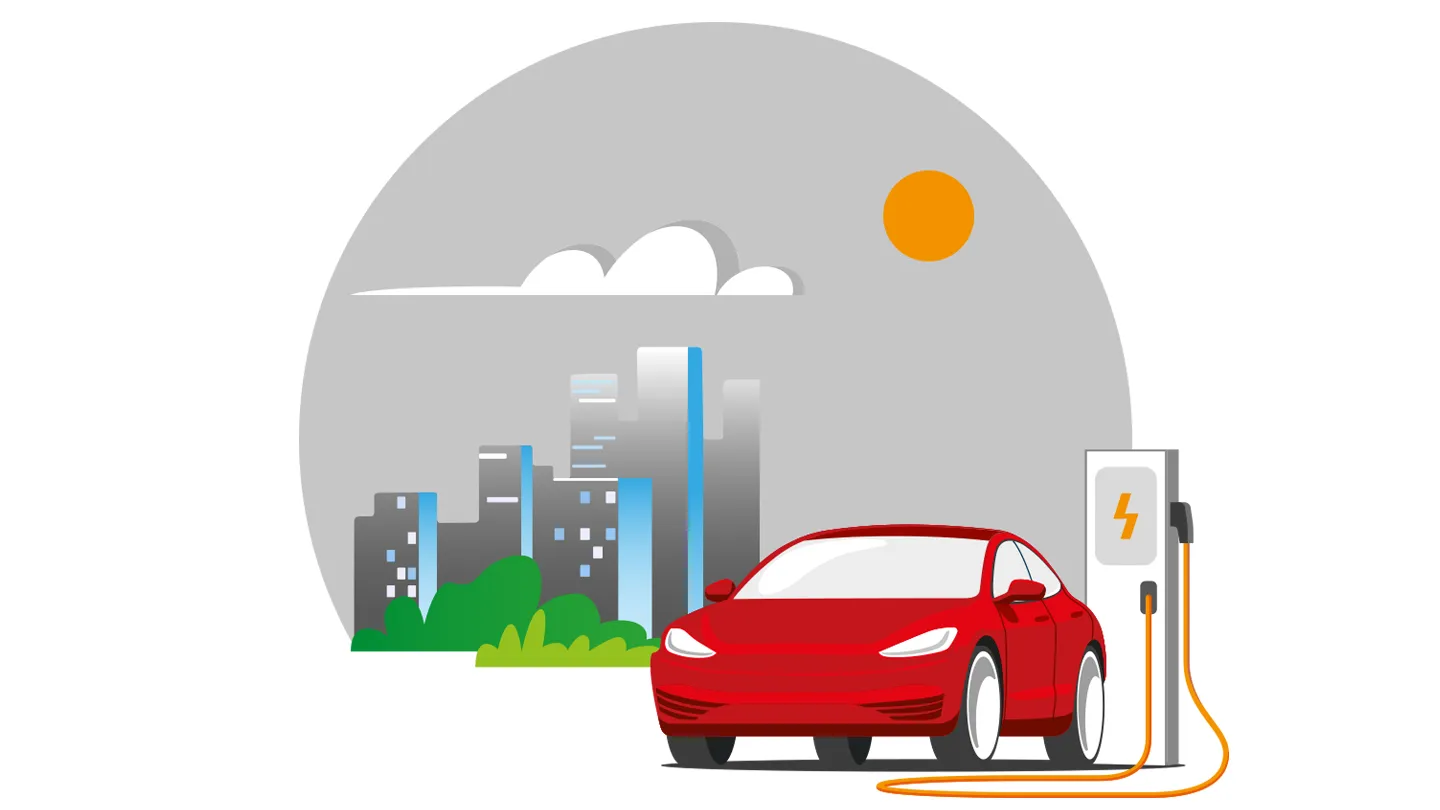
DC (Direct Current) chargers, or "fast chargers," convert AC to DC before reaching your vehicle, bypassing the onboard converter and delivering power directly to the battery for faster charging. Ideal for quick stops or long-distance travel, DC chargers range from 50kW to 350kW.
However, frequent use can cause battery wear, so manufacturers recommend reserving DC charging for occasional use, while slower AC chargers are better for daily needs. In short, use AC chargers for routine home or work charging, and rely on DC fast chargers for quick boosts during longer trips or when short on time.
Charge Times & Costs
Home AC Charger: can typically* fully charge your EV from 10% to 100% in about 9.5 hours, perfect for overnight charging. Many power providers offer specialised EV charging plans.
For those driving around 25–30km daily, home charging costs roughly $3.00 per 100km, which equates to around 30 cents per litre of fuel. Many EVs come with a standard "granny charger unit". For faster charging many home AC chargers are less than $2,000.
*Depending on capacity of the charger and your cars onboard convertor.
Public rapid chargers: At a typical 150kW DC station, you can charge from 10% to 80% in 30 minutes, with costs up to $10 per 100km. Payments are easy via contactless card payments or apps.
Finding Public Chargers
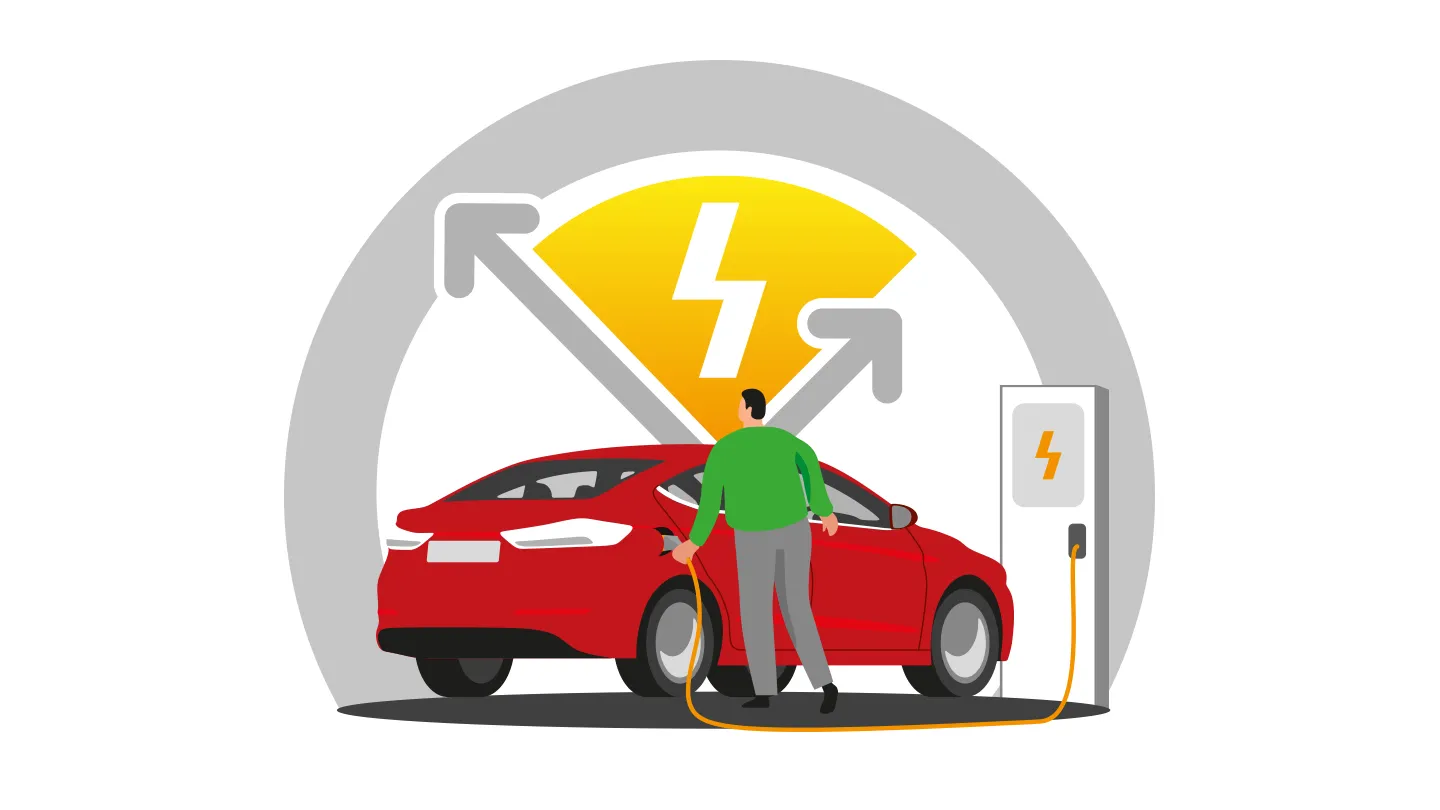
When it comes to finding public charging stations for your electric vehicle in New Zealand, several reliable tools make it easy to plan your journey and ensure your EV stays charged. The country’s public charging network is expanding rapidly, with many urban areas, highways, and rural locations offering charging points for convenient access. Two key resources, the NZTA EV Charger Map and the Drive Electric Charger Finder, allow you to quickly locate charging stations based on charger type, speed, and availability. Whether commuting locally or taking a long-distance trip, these tools help you find the right charging options effortlessly.

Road User Charges
In New Zealand, fuel excise duty is applied when purchasing petrol to help maintain the country's roads. Vehicles powered fully or partly by externally supplied electricity, weighing 1001kg–3500kg, are required to pay road user charges (RUCs). Owners of light EVs pay $76 per 1000km and to ensure PHEVs aren't taxed twice through both fuel excise duty and RUCs, owners pay a reduced rate of $38 per 1000km.

Service & Maintenance
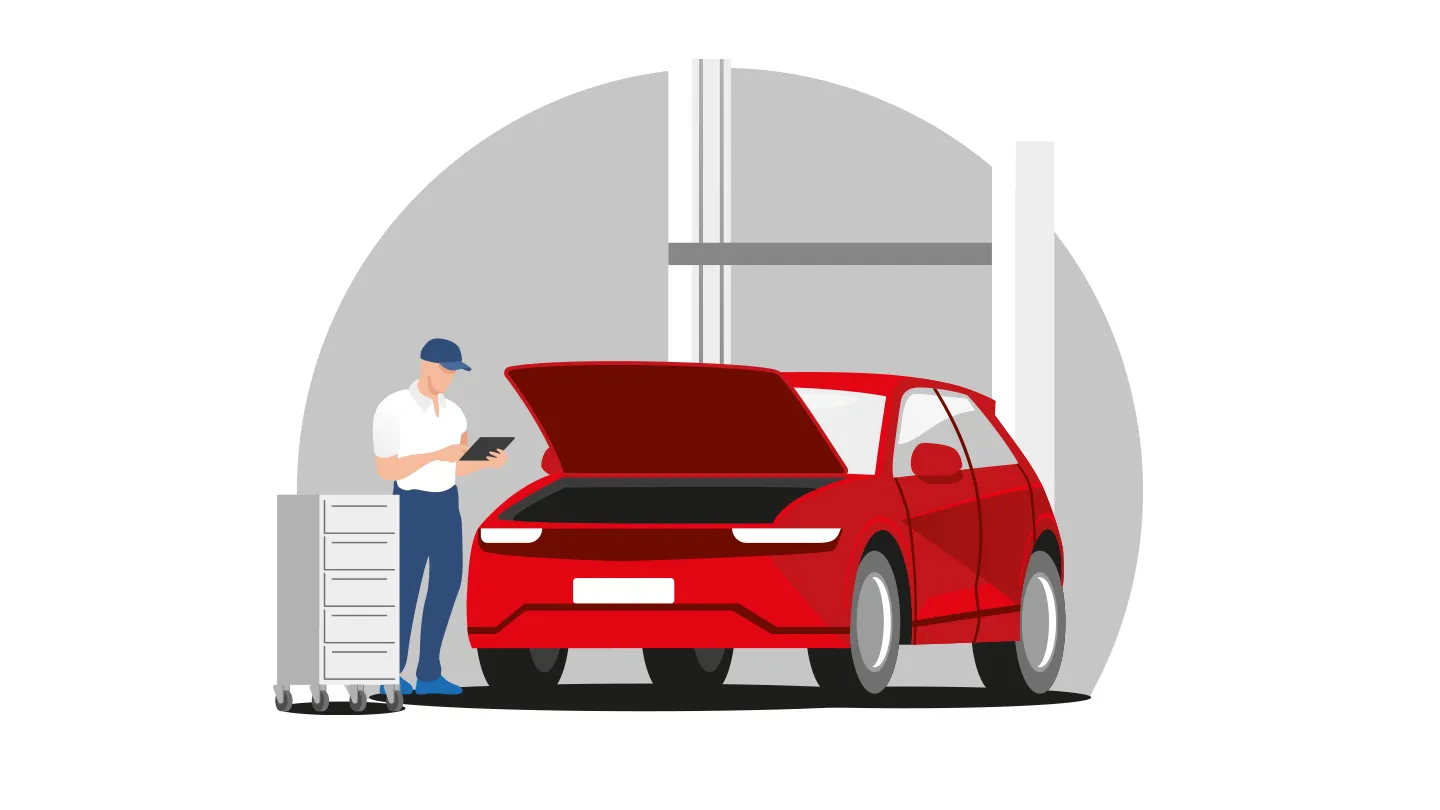
Electric vehicles (EVs) offer significant savings on maintenance costs compared to traditional combustion engine cars, thanks to fewer moving parts. Without oil changes, spark plug replacements, timing belts, or exhaust systems, typical maintenance tasks for combustion engines are eliminated. Plug-in hybrid electric vehicles (PHEVs) still require some attention for their combustion engine, but overall, maintenance is reduced. For most EVs and PHEVs, maintenance is recommended every 12 months or 15,000km. Research shows EV owners save up to 50% on maintenance over the vehicle’s lifetime, offering both cost and environmental benefits.
Battery Life & Replacement
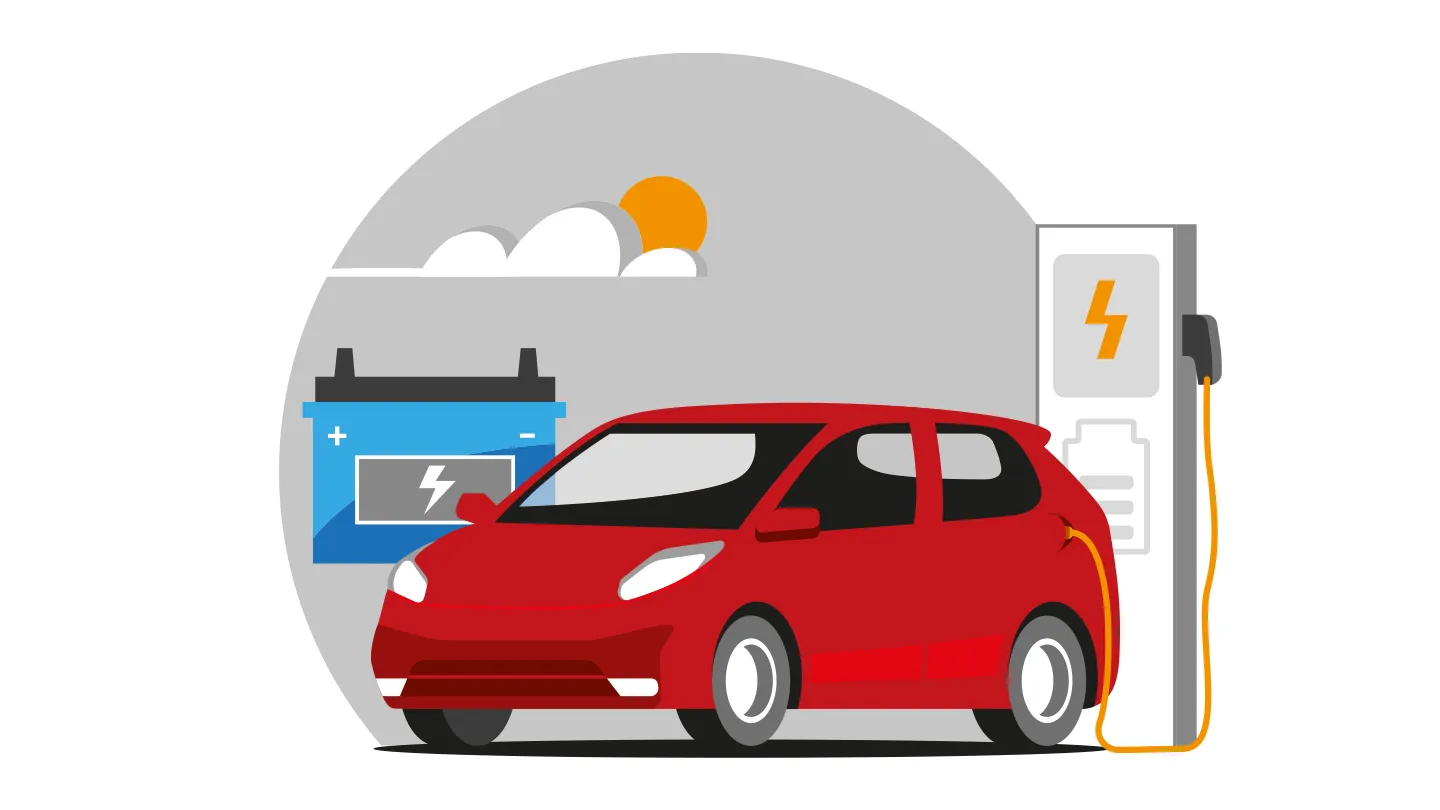
EV batteries are built to last, with most expected to retain capacity for 10 to 20 years, or more than 350,000km, before needing replacement. Replacement battery costs for second-hand EVs generally range between $5,000 and $10,000, but more premium vehicles or complex models can be higher.
The New Zealand government and industry leaders are working to ensure that retired EV batteries are responsibly handled, either through refurbishment, recycling, or proper disposal.
View our EV & PHEV stock
At Ebbett, we offer a wide variety of fully electric and plug-in hybrid vehicles, ensuring you’ll find the perfect model to meet your needs.
The information on this page is sourced from third-party research, including Drive Electric, MoneyHub and Consumer Reports.
We are not liable for any discrepancies, changes, or variations. Prices and details may change, and we recommend contacting us directly for the most up-to-date information.
Prices for home chargers may vary, please contact us for more details.